
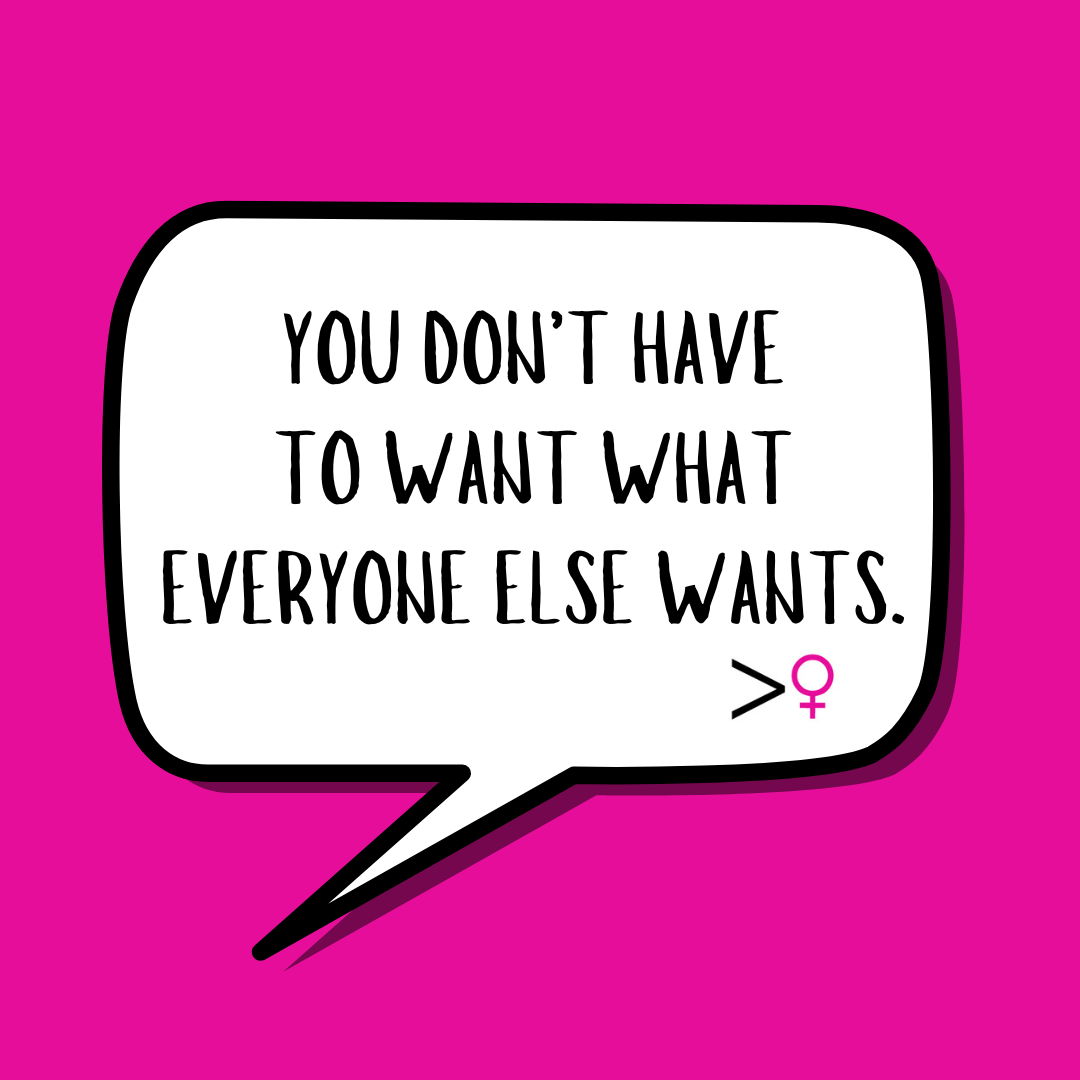
You Don't Have to Want What Everyone Else Wants
Unlearning the Status Quo, Life Milestones, and the Freedom to Live Differently
During these roaring 20s (and I mean ferociously roaring), the one thing that I am faced with everyday is breaking myself apart and putting myself back together again. Same girl, same world, different puzzle each day. But the main question that I always ask myself is: do I belong to myself?
During life, we are influenced and raised by our family, friends, and society, and because of the values that you are born into, we naturally fall victim to propaganda (the status quo) regarding certain milestones about life and when they are expected to be completed. Ultimately, we are naturally influenced on how to delegate and run our lives.
HOWEVER, I wish that people told me that it’s okay to question the status quo and do things differently. That it’s okay to not want to do certain things that society has pushed on you. That it’s okay to not do the “norm” simply because you just don’t want to or because it doesn't align with the type of life you want, and that it’s also okay to change your mind about things that you once desired and vice versa. Oh, and most importantly, that just because I am 20-something, doesn't mean that I don’t know myself and that I am not capable of making permanent decisions for myself. (However, I do have enough discernment to recognize that what I would want for future me could change.)
Like, if you don’t want to get married, you don’t have to. If you don’t want to have kids, you don’t have to. If you want to buy a house, buy a house. If you don’t want to buy a house, don’t buy a house. And even if you choose one of these things and it isn’t what perfectly mirrors societal standards then, OK, who cares? We only have one life to live and we should take advantage of every second of it. Do what you want to do to be satisfied with your singular life that you have to live, even if it doesn’t look like what you were showed it is “supposed” to look like.
It’s no wonder why people walk around frustrated at the world because their own idea of life isn’t always parallel to what is expected from them from society, yet they still produce and deliver results adjacent to the status quo anyways because the idea of disappointing people and/or being outcasted from society is far more scarier than living a life they want. (Which is understandable because we’re human and we crave acceptance. At the end of the day, everyone just wants to be loved.)
I realize that when I present “unconventional” ideas on how I desire to live my life, much of the pushback I receive is mostly subjective, which is where people then project their own biases, values, and life onto me. (But at the same time, it’s also in human nature to do such thing.)
To be honest, I think that most people do understand that not everyone wants the same things as them (which is why we have so much conflict in the world). However, our egos take up so much space in that we think that our own view of life is the most perfect, best way to go about life. Because of this ego cloud, some people can’t fathom that two people can grow up in the same household, neighborhood, and society, and hold values that are completely different from what they were taught. This juxtaposition can cause pushback, confusion, and sometimes anger and disappointment because people simply just can’t understand how you could be just so damn different. Even if people desire the same thing as you, the very method that they utilize to fulfill that same desire could be very different than your method.
For example, people living in the same society can both desire romantic love but their execution of romantic love could look very different. There are people who genuinely don’t desire marriage or long-term relationships, people who choose to have open relationships, or people who choose to have polyamorous relationships. All of these relationships fall under the umbrella of romantic love. But only one of form of romantic love—monogamy—is the most accepted performance of romantic love (namely because of culture and religion, which dictate values, which over time has created the “status quo”). But just because these other types of romantic love are not part of the status quo and/or freely accepted on a worldly basis doesn’t mean that they are invalid forms of love. And although these examples of love may not be ways that *I* may choose to participate in romantic love, it doesn’t mean that they aren’t valid ways to participate in romantic love. But that’s pushing past and breaking my own mental capacity and barrier, decentering myself from the situation, and recognizing my own biases. A lot of people don’t, can’t, and won’t do that. A lot of people will never break down the wall of challenging their own beliefs.
Most people don’t have the mental capacity to think beyond nor decenter themselves in a set of circumstances much different than their own values and what they know about the world, so that’s why they don’t fare too well when they see renditions of life that are much different than their own.
I always remind myself to continue to live my life by my own rules that are in line with my own personal values *even if* people may not understand or agree with it. And in return, I try my best to pay it forward by accepting the decisions of other people even if such decisions are the total opposite of something that I would do. I am not saying that it is easy (because it’s not), however, the satisfaction that I gain from validating myself is very much so louder and meaningful than any other validation from anyone else.
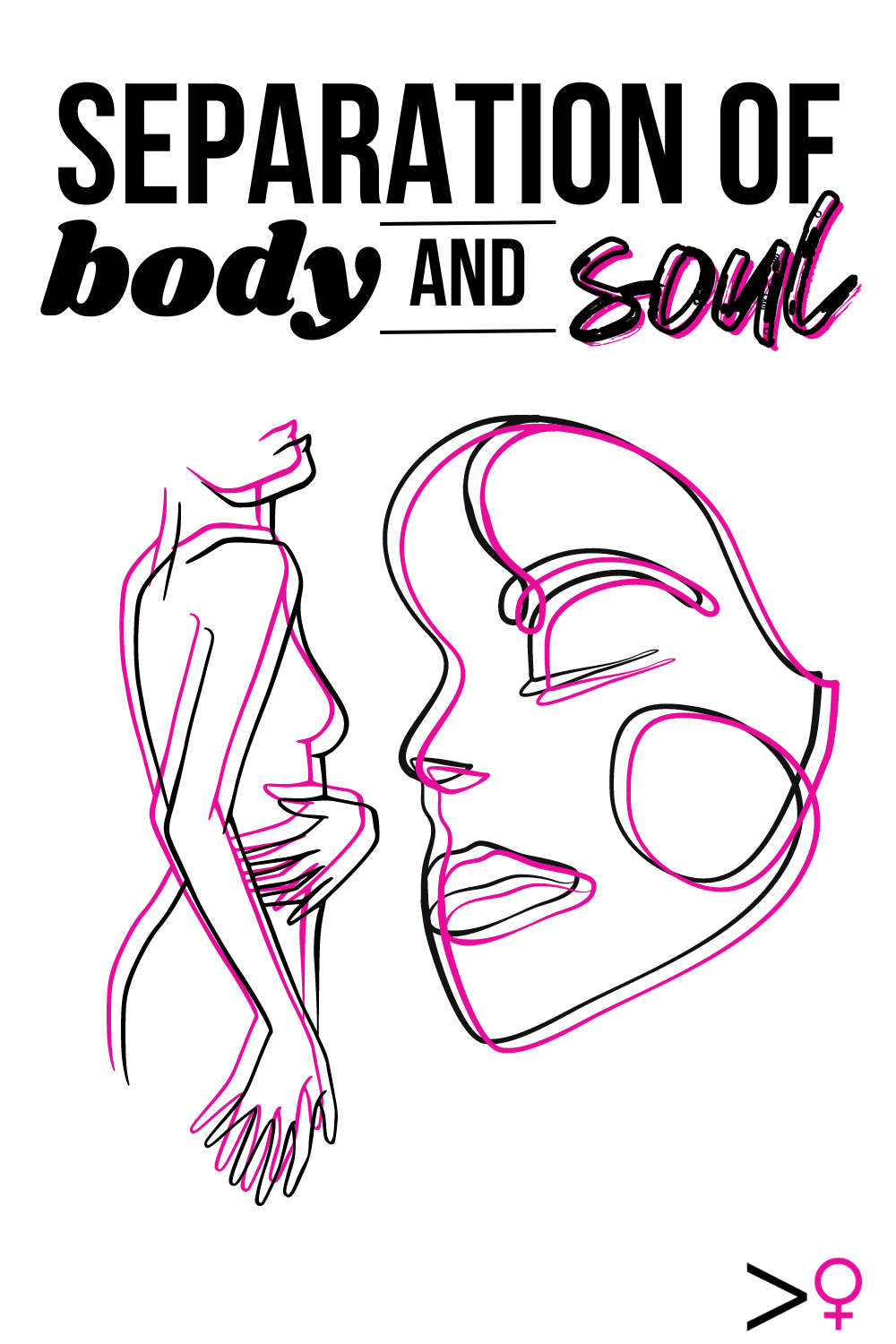
My life is my life. And my life, and every aspect of it from my body to my soul belongs to me.
-C

Comments ()